Dance: an invisible thread
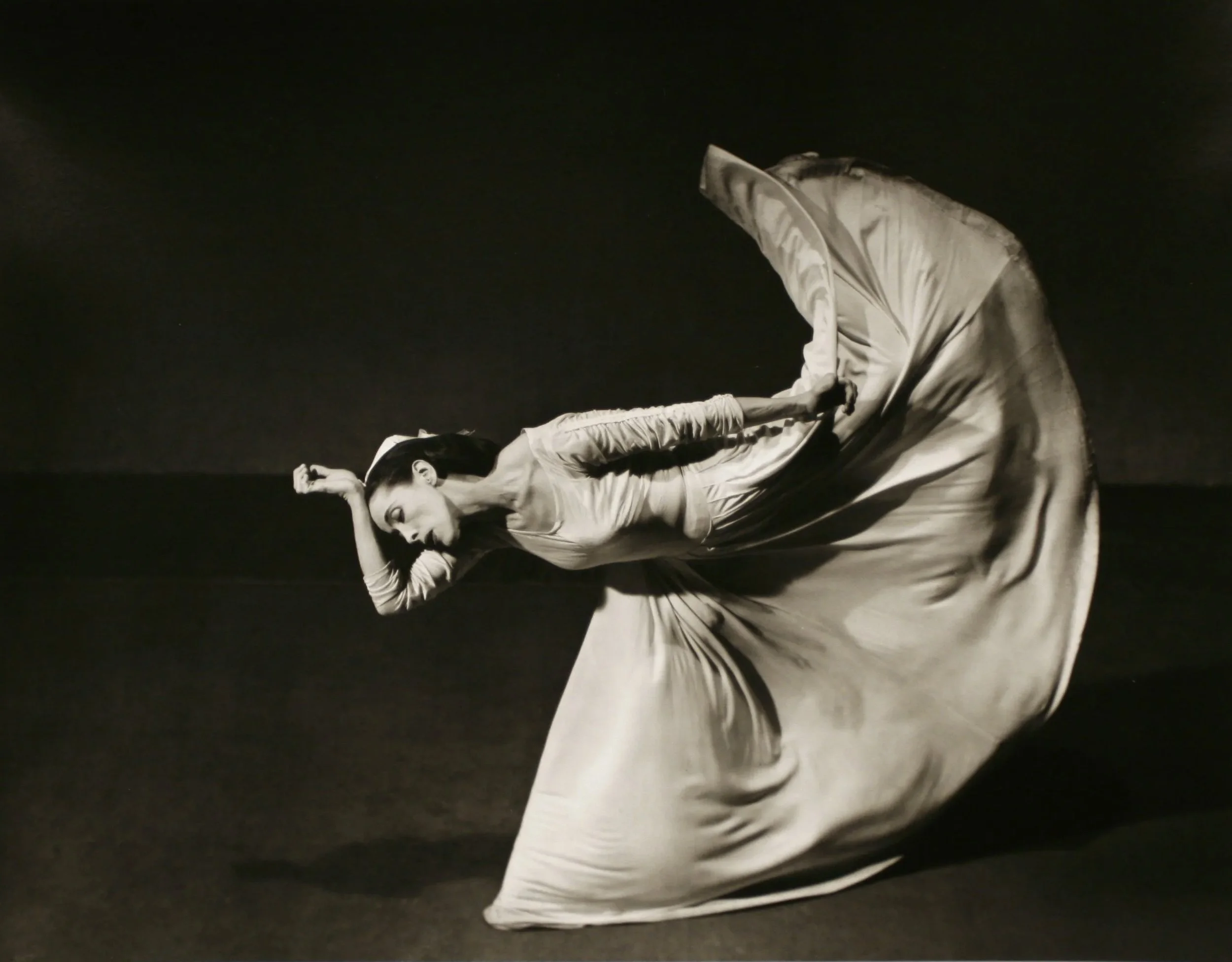
There are kinds of grief we rarely name.
Not the kind that comes from a sudden rupture or an obvious loss, but from a slow, quiet distance from something that once felt like home.
Dance was once my native language.
Before words, there was the body. The barre. The music. The discipline. The repetition. The sense of belonging to something precise and alive.
And then life intervened.
At sixteen, I stepped away from dance during a time when everything else in my life was collapsing inward. My mother became seriously ill, and suddenly the world I was living in no longer had space for both grief and the demands of a rigorous artistic path. Dance, once essential, began to feel distant — almost unreal in the face of something far more urgent.
So I stopped. Not from indifference, but from overwhelm. Not because I loved it less, but because I could not carry everything at once.
And life continued.
Years passed. I became someone else in many ways — shaped by time, responsibility, and eventually motherhood. My body became a place of life rather than a daily instrument of art.
But some things never truly disappear.
You can stop dancing.
But you do not stop being shaped by dance.
It stays in the memory of the body.
In how music is heard.
In how space is felt.
In how discipline, beauty, and effort are understood.
And sometimes, unexpectedly, something stirs again.
A piece of music.
A memory.
A fleeting recognition of a self that still exists somewhere beneath the years.
What hurts is not only the distance.
It is the awareness of time. Of what was interrupted. Of what had to be set aside in order to survive something larger than itself.
There is grief in that.
A quiet grief for the young version of ourselves who had to step away before the story felt complete.
But perhaps not every unfinished story asks to be resumed exactly where it ended.
Some things remain with us differently.
Not as a path we must return to, but as a part of ourselves that continues to live quietly beneath the surface.
Maybe that is enough.
To know that what once shaped us does not vanish entirely, even when life carries us elsewhere.
And perhaps dance, like certain forms of longing, does not disappear.
It simply waits — not necessarily to be reclaimed, but to be rediscovered in whatever form time allows.