Friendship: an enduring art
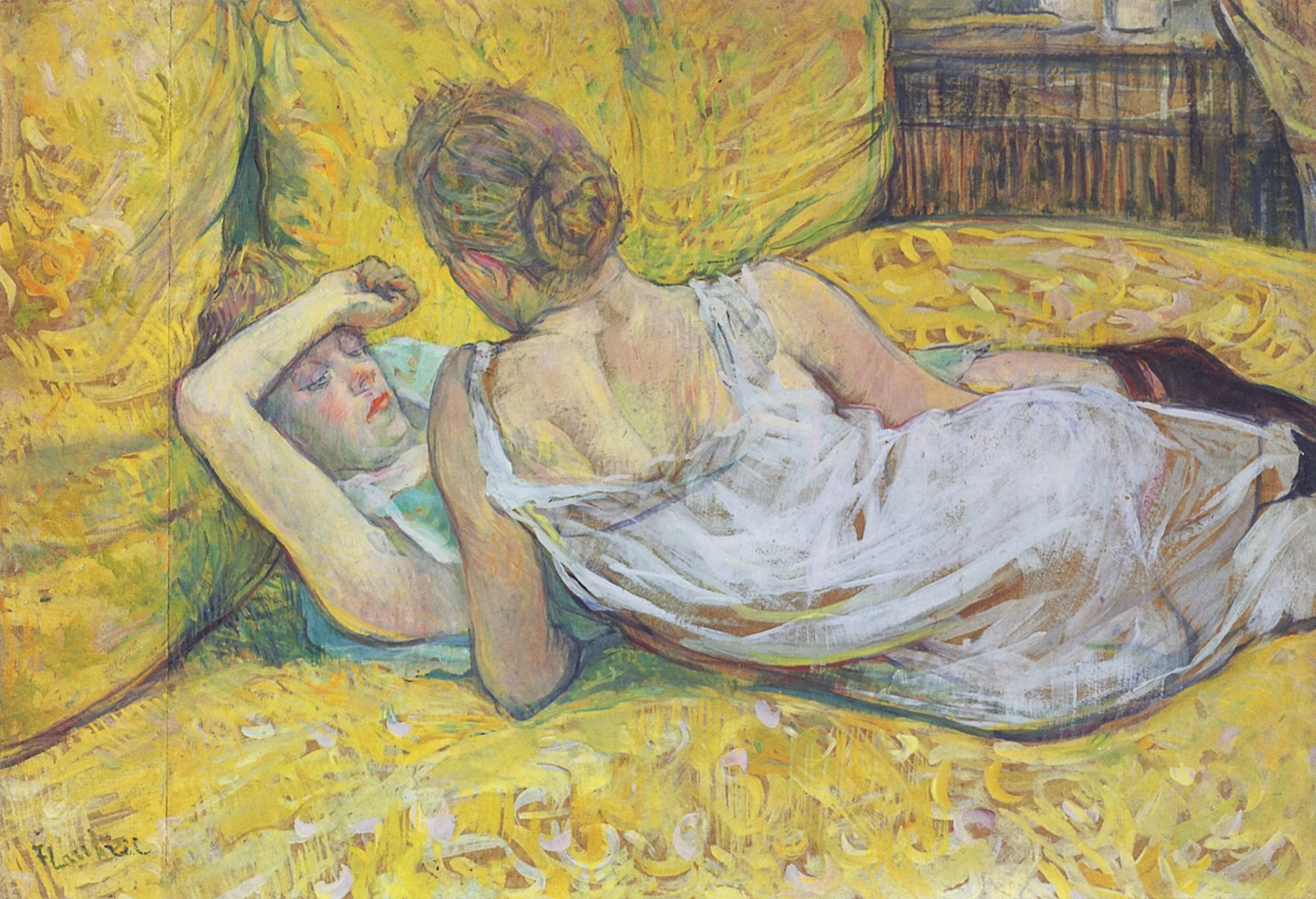
A personal reflection on friendship, written between memory and observation.
I wanted to write about a subject that has long accompanied me: friendship. It is a vast notion, shifting in form from one life to another. What follows is not a definition, but a way of looking at this bond, and at how it has quietly shaped my own path.
Friendship, for me, is a form of love—one that does not announce itself. It binds individuals through affinities that are often difficult to name, opening a space where one existence meets another without possession. Compared to romantic love, so often marked by turbulence and uncertainty, friendship can appear more patient, more enduring in its silence.
I speak here only of what might be called a just friendship: not the one that wounds or distorts, but the one that sustains. Such friendships do not remove us from difficulty; they accompany us within it. They remind us that goodness is not an abstraction, but something lived between people. At times, they console; at others, they unsettle, bringing to light what we would prefer to leave in shadow.
Friendship binds as much as it reveals. It reassures, but it also exposes. When it is genuine, it settles within us with a quiet permanence. It becomes less an event than a structure—something through which we continue to orient ourselves, even in its absence.
There are friendships that exceed companionship. They inscribe themselves within us. Montaigne, speaking of La Boétie, wrote: “Because it was he, because it was I.” In such encounters, the boundary between self and other becomes uncertain. The friend is no longer simply another, but a presence that continues to think within us long after the shared moment has passed.
I have always been attentive to my friendships. I have often found in them a form of generosity that sometimes surpasses familial bonds. Losing my mother at sixteen made this clarity more acute: how fragile life is, and how necessary these elective bonds become in sustaining it. We are beings in need of resonance; friendship is one of its most enduring forms.
It is not my intention to construct an ideal of friendship. Rather, I wish to acknowledge it, simply, and to return something of what it has given me. This text is also addressed, quietly, to those who have remained present.
I chose to accompany it with a painting by Toulouse-Lautrec, L’abandon (The Two Friends). In its restrained intimacy, it shows two women suspended in a shared silence. Friendship appears there not as declaration, but as proximity—an almost imperceptible form of support. Beyond its historical context, it preserves something essential: the persistence of human closeness within constrained lives.
To think friendship is perhaps to learn how to look at what binds us without fully naming it. It asks for attention rather than definition.
Can we cultivate the garden of our lives through these quiet attachments? Can something enduring be built from the smallest gestures between us? Friendship teaches patience, attentiveness, and care. It reminds us that even in solitude, we are not entirely alone.
Perhaps what remains of a life is not what we have possessed, but what we have shared—and the way these shared moments continue to think within us, long after they have ended.